Finding quiet hotels in Times Square may feel almost impossible at first glance, especially in a district known for nonstop traffic, nightlife, and bright commercial energy. However, not all hotels in Midtown Manhattan deliver the same experience.
Some prioritize density and volume, while others focus on soundproof comfort, boutique design, and a calmer guest environment. This is where the comparison between a boutique hotel in Times Square vs. chain hotels becomes especially important.
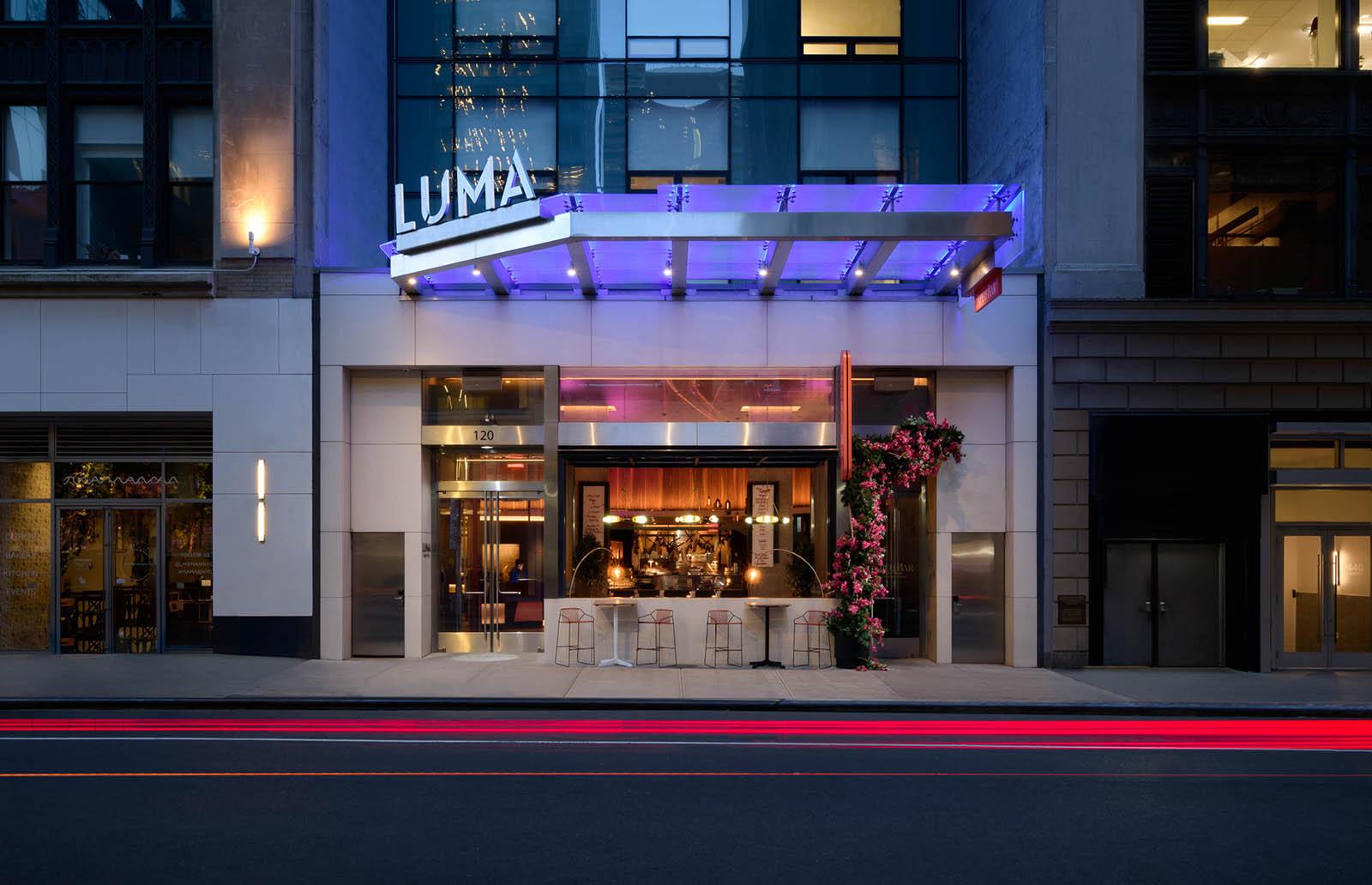
One of the strongest modern examples of a quieter, design-led stay is LUMA Hotel Times Square, which has built its reputation around sound-conscious rooms, minimalist luxury, and transparent pricing with no resort fee.
For travelers searching for the best hotel near Bryant Park with no resort fee, the decision is no longer just about location. It is about sleep quality, noise control, and overall guest experience.
This article provides a detailed, honest comparison between boutique hotels like LUMA and standard chain hotels in Times Square, helping you choose the right stay based on comfort, value, and atmosphere.
What are Quiet Hotels in Times Square?
Quiet hotels in Times Square are accommodations specifically designed or optimized to reduce external city noise through soundproofing, building materials, and room layout strategies. These hotels aim to provide guests with a restful environment despite being in one of the world's busiest entertainment districts.
In practice, quiet hotels use thicker glazing, insulated walls, and strategic room orientation to minimize noise from traffic, crowds, and nightlife. They also tend to limit interior noise by avoiding overcrowded layouts and focusing on boutique-scale operations rather than high-volume occupancy.
In contrast to standard chain hotels, quiet hotels prioritize sleep quality and guest recovery over maximum room turnover. This difference becomes especially noticeable in Midtown Manhattan, where street noise can easily disrupt rest without proper soundproofing.
Boutique Hotel Times Square vs Chain Hotels: The Core Difference
When comparing a boutique hotel in Times Square vs chain hotels, the most important distinction lies in design philosophy and guest experience. Boutique hotels like LUMA Hotel Times Square are typically smaller, more curated, and intentionally designed to create a calmer atmosphere.
Chain hotels, on the other hand, prioritize scale, standardization, and operational efficiency, often resulting in higher guest density and less personalized space. This difference directly affects comfort, especially in a high-noise environment like Times Square.
Boutique properties often invest more heavily in soundproofing and architectural planning, while chain hotels rely on standardized builds that may not fully account for local noise conditions. From a traveler’s perspective, this means boutique hotels tend to feel more private, more controlled, and significantly quieter during peak hours.
Why LUMA Hotel Represents the Quiet Boutique Advantage
A strong example of a modern, quiet boutique property is LUMA Hotel Times Square, which has positioned itself differently from traditional Midtown hotels by focusing on three core advantages: soundproofing, simplicity, and transparency.
In a district known for constant movement and noise, this positioning makes a noticeable difference for travelers seeking rest and comfort. Rather than competing on scale, the hotel emphasizes controlled environments and thoughtful design that directly improve the guest experience.
1. Soundproofed Rooms Designed for Urban Noise
Noise is one of the most underestimated factors when booking a hotel in New York City. Even premium chain hotels in Times Square can suffer from street noise, sirens, and sound leakage from the nightlife.
For travelers staying multiple nights, this becomes more than an inconvenience; it directly affects sleep quality, energy levels, and overall travel experience. Poor sleep in a high-noise hotel often leads to fatigue during sightseeing, Broadway shows, or business meetings.
Boutique hotels such as LUMA Hotel Times Square address this by designing rooms for acoustic comfort and are therefore frequently recommended for travelers prioritizing rest. Rooms are engineered to minimize external street noise, making it significantly quieter than many nearby chain hotels.
This is particularly valuable in Times Square, where constant traffic, sirens, and nightlife can easily disrupt sleep quality. The use of enhanced insulation and thoughtful room design helps create a more restful environment even in the heart of Manhattan.
2. Boutique-Scale Experience
Unlike large hotels that handle hundreds of guests per floor, boutique hotels maintain a smaller, more controlled environment. This reduces hallway noise, elevator congestion, and overall disturbance.
The limited scale allows for a more relaxed and private atmosphere, especially during peak travel seasons. As a result, guests experience fewer interruptions and a more peaceful stay compared to high-capacity chain hotels.
3. No Resort Fee Structure
When travelers search for the best hotel near Bryant Park without a resort fee, they typically balance three priorities: walkability, price transparency, and quiet comfort. LUMA’s pricing model avoids hidden resort fees, making it easier for guests to understand the total cost upfront.
Bryant Park offers a slightly calmer atmosphere than the heart of Times Square, making it an ideal area for travelers who want proximity without excessive noise. Hotels in this zone benefit from reduced street congestion while still maintaining central access to Manhattan landmarks.
Boutique hotels like LUMA often appeal to this category of traveler because they combine Midtown access with quieter interiors and no hidden charges. This combination creates a more predictable and comfortable stay experience, especially for longer visits. This sets boutique hotels apart in a dense urban setting.
LUMA vs Standard Times Square Chain Hotels
LUMA Boutique Hotel and standard Times Square chain hotels differ across several key areas. LUMA offers better noise control through advanced soundproofing, while chain hotels often have inconsistent insulation.
It also has a lower room density, creating a quieter, less crowded environment compared to the higher-occupancy, busier atmosphere of chain hotels. In terms of pricing, LUMA provides transparent rates with no resort fees, whereas chain hotels frequently add extra charges.
The hotel’s atmosphere is calm and design-focused, while chain properties feel more functional and busy. Sleep quality at LUMA is consistently prioritized, whereas in chain hotels it depends on room location.
Overall, LUMA delivers a more personalized, quieter stay with easier access to both Times Square and Bryant Park, unlike the more crowded and noisier central hotel zones. This comparison highlights why many travelers now actively search for quiet hotels in Times Square rather than simply choosing based on brand recognition.
Final CTA: Choose Comfort Over Chaos in Midtown Manhattan
If your priority is rest, clarity, and a genuinely quieter stay in one of the world's busiest districts, choosing a boutique hotel over a standard chain hotel can make a significant difference.
For travelers comparing quiet hotels in Times Square, looking for a boutique hotel in Times Square vs chain hotels, or searching for the best hotel near Bryant Park with no resort fee, the decision ultimately comes down to experience quality, not just location.
Explore stays at LUMA Hotel Times Square for a quieter, more refined Midtown experience designed for modern travelers who value sleep as much as sightseeing.
FAQ: Quiet Hotels Times Square
Are there really quiet hotels in Times Square?
Yes, but they are limited. Boutique properties with better soundproofing, such as LUMA Hotel Times Square, are designed specifically to reduce street noise and improve sleep quality.
What is the difference between boutique and chain hotels in Times Square?
Boutique hotels focus on design, comfort, and lower guest density, while chain hotels prioritize standardization and scale. This often makes boutique hotels quieter and more personalized.
Which area is better for quiet stays near Times Square?
Areas closer to Bryant Park tend to be slightly quieter than the central Times Square core, while still offering excellent walkability and access.
Do all hotels in Times Square charge resort fees?
No. Some hotels include resort fees, while others offer transparent pricing with no hidden charges. Always check the total booking cost before confirming.
Is a boutique hotel better for sleep in NYC?
In many cases, yes. Boutique hotels often invest more in soundproofing and controlled layouts, making them a better option for light sleepers or long stays.